
TURN IT
AROUND!
How to
TURN IT AROUND! is a toolkit to help us radically reimagine education in response to the climate and ecological emergency. There is no one right way to use them, but here are some ideas that may get you started in turning this emergency around.
Learn More

CLIMATE CRISIS FUELS GENDER-BASED VIOLENCE
Remember the women who are victims of gender-based violence due to climate crisis when you make decisions about their future. Remember the women who are being sold off into marriage because of a shortage of food in their house or during extreme droug...
Click to Continue
Finding connection in Conversations with Rain
Cup your hands over your ears, pause. listen. Notice overlapping sounds of sea, cave, sense, time, r a i n Now pick up two pencils, one in each hand, and use them to make the Sound of Rain with repeated marks falling onto the page. What if listening...
Click to Continue
RESPECT THE RIGHTS OF ALL LIVING AND NON-LIVING BEINGS
My ancestors have taught me that we are supposed to be custodians of all life on Earth. This means that we should not just plant trees and keep the environment clean where we can, but we should take the extra step to ensure that the rights of every s...
Click to Continue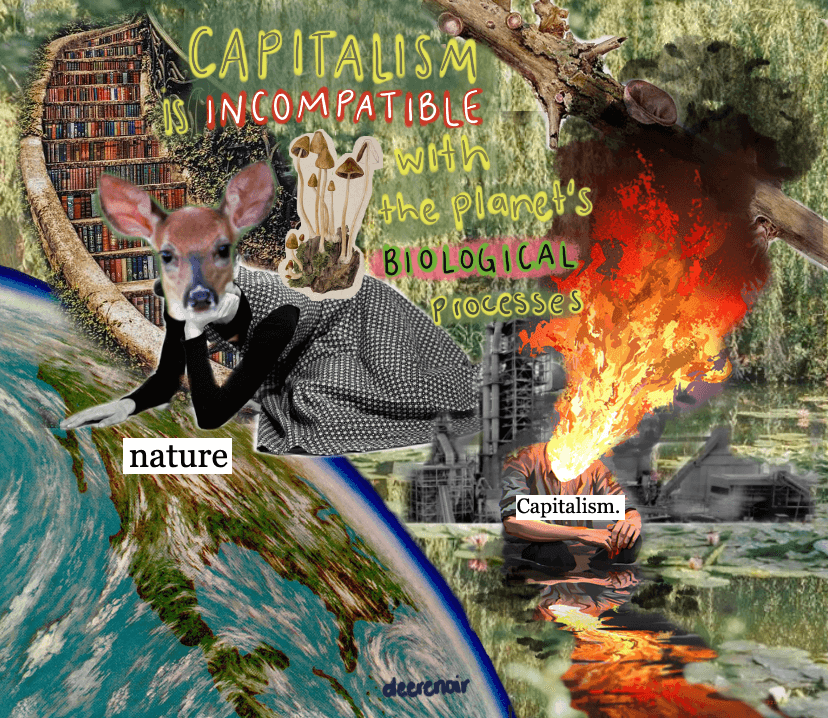
EDUCATE WITH LOVE
Educate us with love, teach us to love. Love influences everything that surrounds us. Eliminate the capitalist protocol that has us tired and stressed, that has other species endangered and extinct....
Click to Continue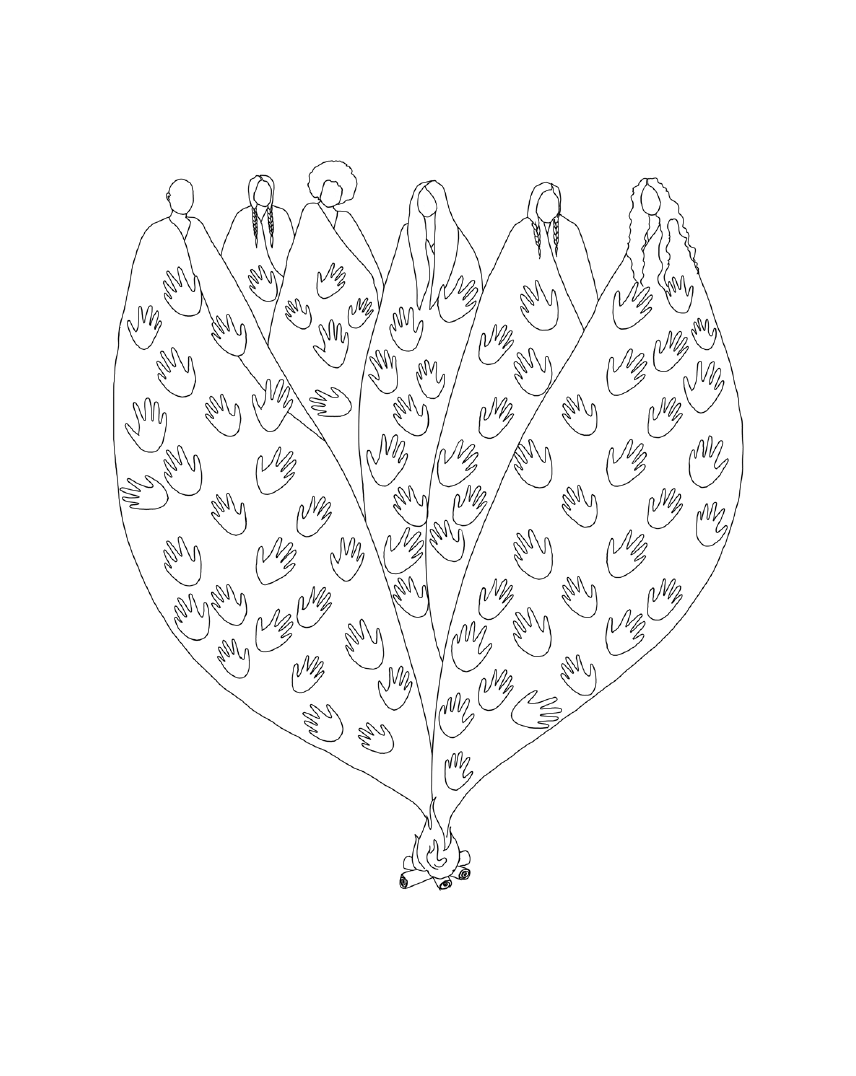
NDN Collective
What if the best times are ahead of us? What if the only “back” we’re going towards is back into our bodies, into our ancestral ways, into our spirits, into the Earth? What if we could imagine again? Dream again? Climate asks us how we want to...
Click to Continue
I FIND HOPE IN UNITY
I find hope in unity. The more united we get, the easier it will be to address any problems we face. Many hands, many brains together can make a lot of difference and create change. ...
Click to Continue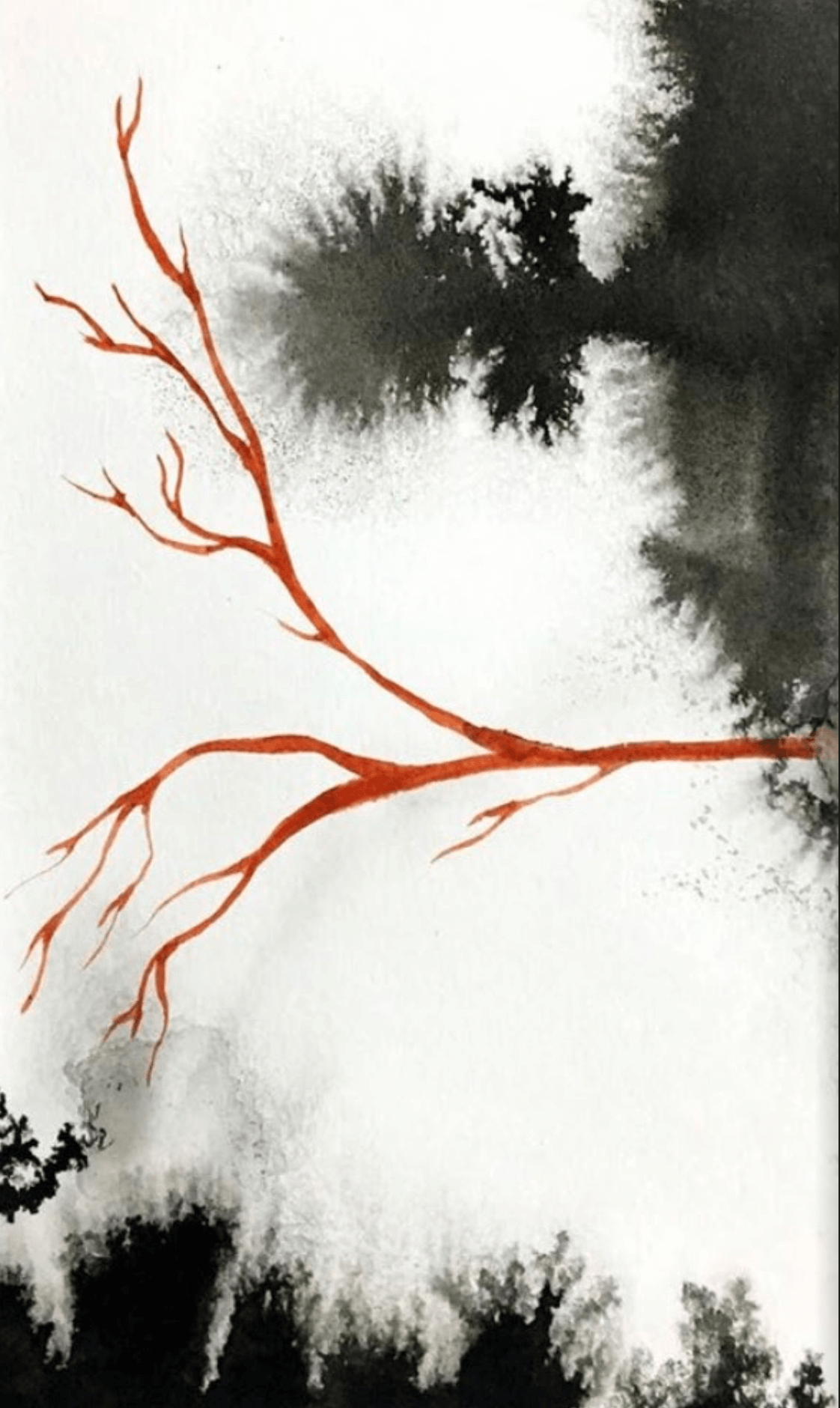
RESILIENCE
Resilience. Nature shows us the ability to recover after being damaged or destroyed. We always see how it strives to survive: the small plants and flowers that emerge after devastating floods, the forests that regrow after fires, the trees that lift...
Click to Continue
EMPATHY
Humans often think in an anthropocentric way considering only what is best for an individual human, in a given moment. We build over environments and corral animals to suit our needs. This has led us to the brink of planetary disaster. The future...
Click to Continue
CONNECTION TO LAND
Our ancestors had the hands of green. Our lands have always been arable. Let us continue to cultivate and live sustainably in the years to come!...
Click to Continue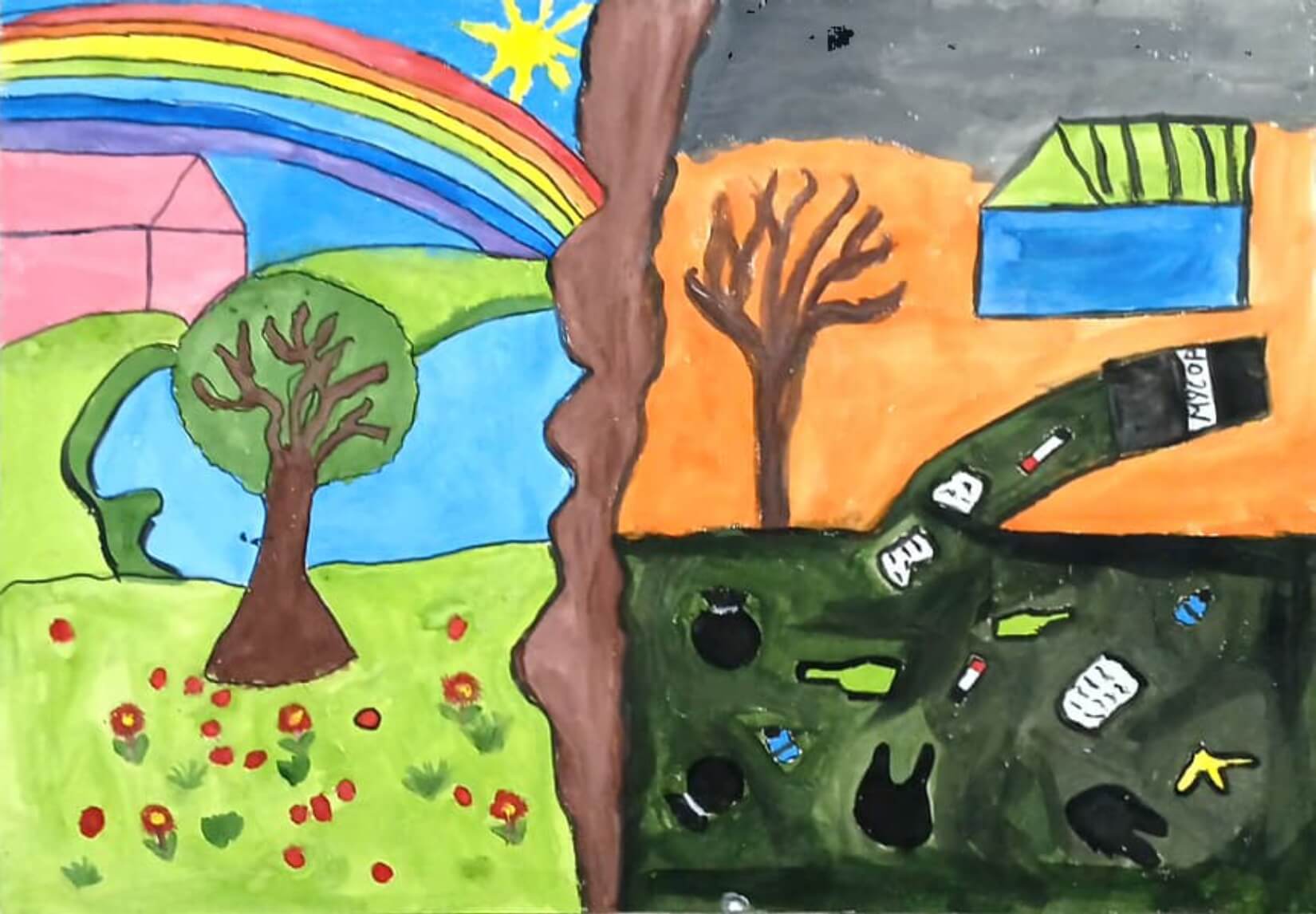
ME
In the end, it’s not the world that must change – it’s me. If I don’t clean up after myself, then who will?...
Click to Continue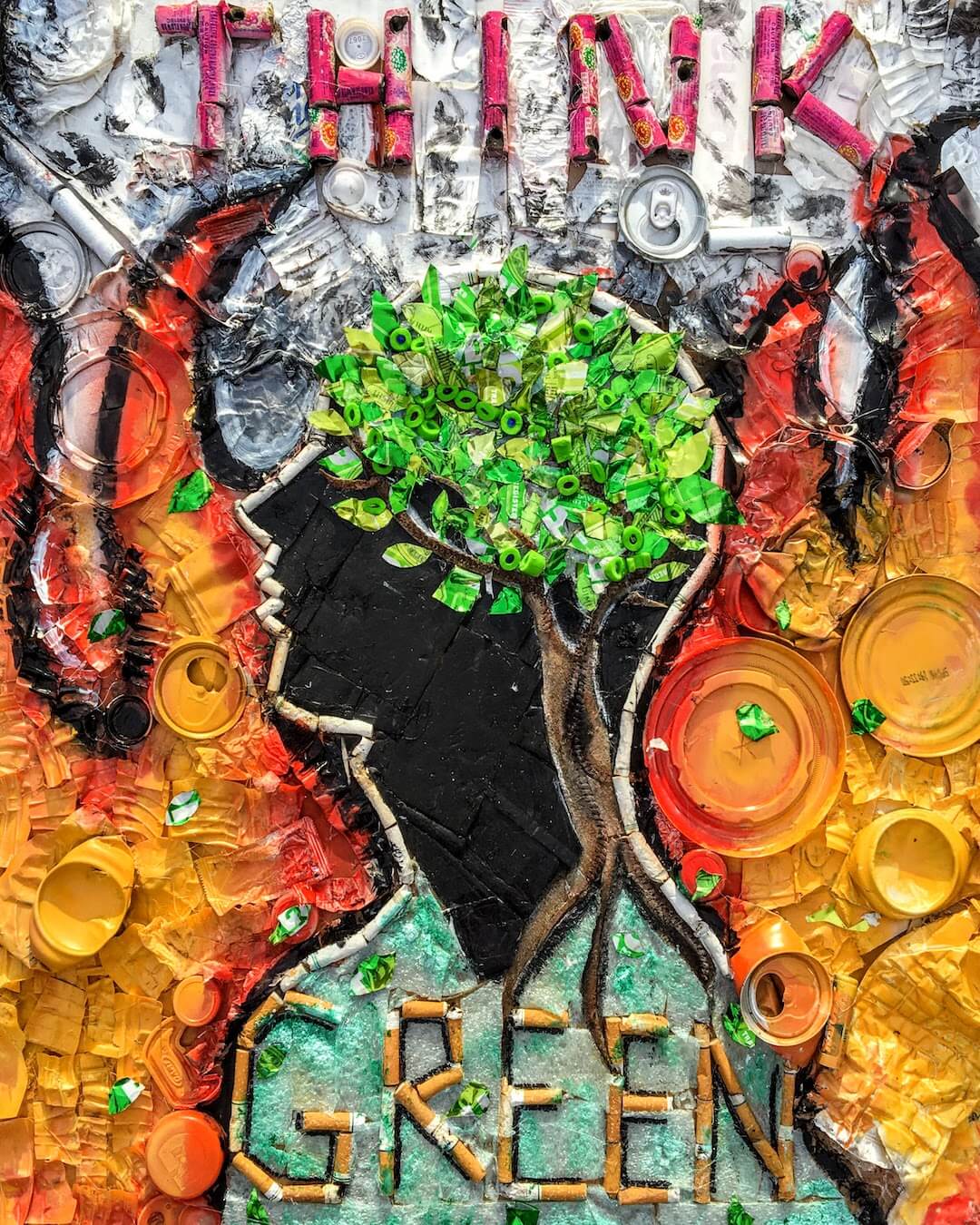
STOP LIVING LIKE TOURISTS
I hear a whisper in the wind. I walk over stifled growth on once fertile ground. We live in a dilapidated home begging its inhabitants to acknowledge the value of its treasures, patiently suffering and waiting for change. Oh, how we ignore the mo...
Click to Continue
PLANTS LIVE AND LET US LIVE
Plants live and let us live. We must live so that we can benefit each other....
Click to Continue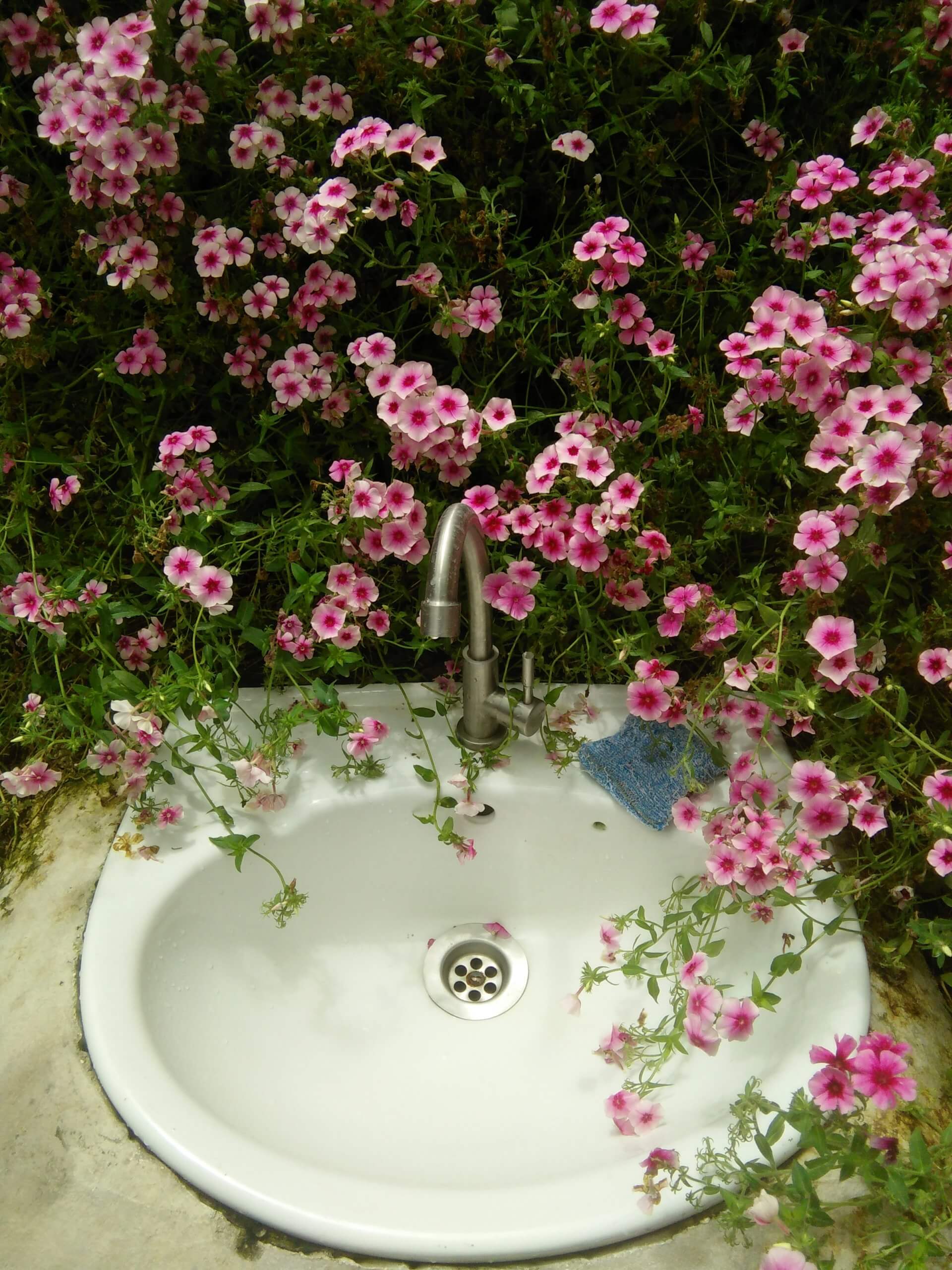
CONSIDER THE IMPACT OF YOUR DECISIONS ON FUTURE GENERATIONS
When making any decisions, always put climate change considerations first. We can make big changes for our next generation. ...
Click to Continue
WALK SLOWLY
Life close to nature has taught me to walk slowly. Humans are the only beings on this planet who wear a watch. There is no one who can rush the flowers, nor the rain. While the technology exists to do so, this only satisfies the times of humans, not...
Click to Continue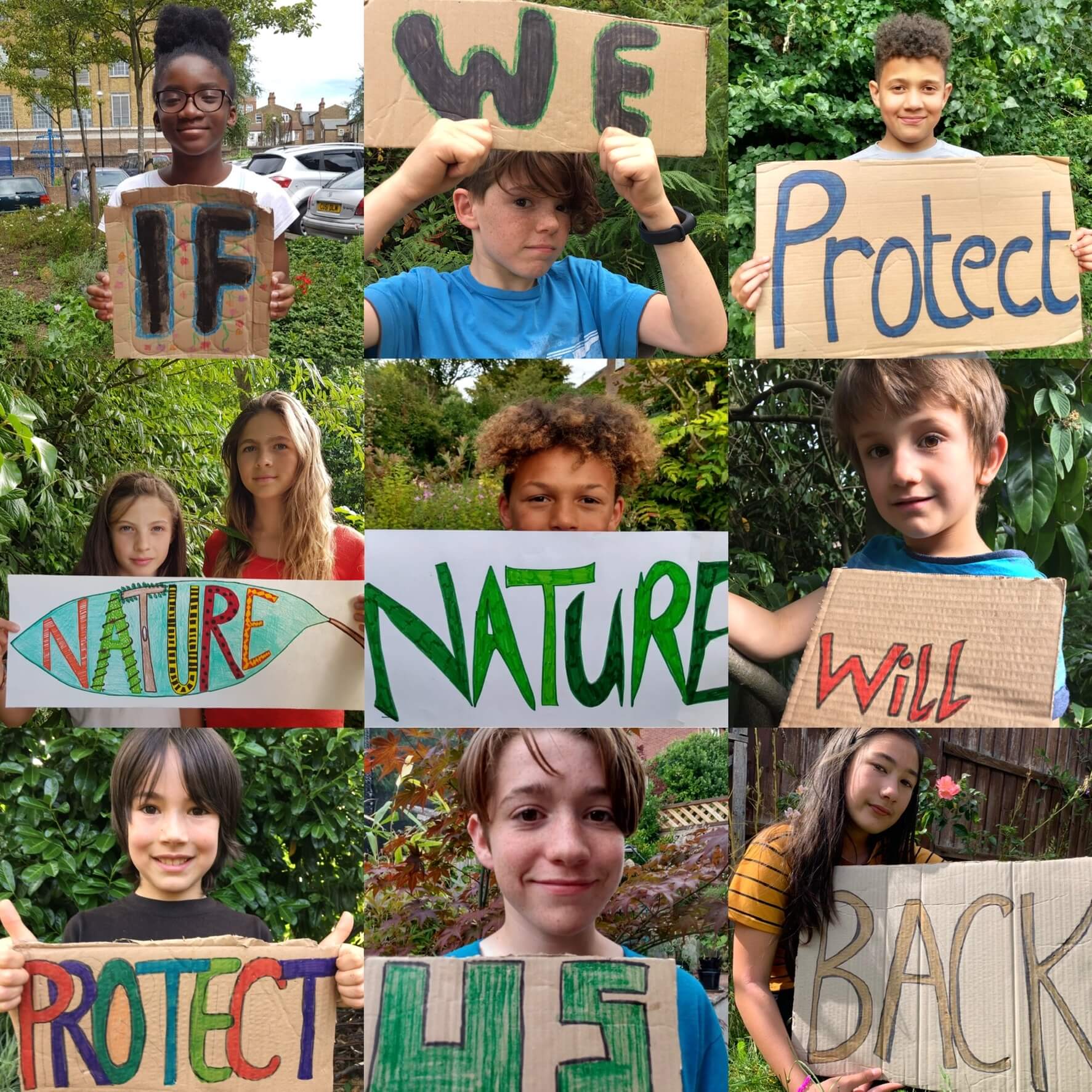
NO SITUATION IS PERMANENT
In times of hardship and uncertainty, I find my hope by affirming that no situation is permanent. I try as much as possible to keep my head held up high and try again when I fail. I believe in perseverance and this makes me work harder to achieve the...
Click to Continue
NATURE AND EDUCATION ARE CONNECTED
Nature and education should be intricately connected. Education is about living a good life, and it is nature that provides us with the bare necessities for our life. Hence, an education drifting away from nature seems to be of little value and r...
Click to Continue
FIND CONNECTION IN DREAMS
My relationship with indigenous ancestry is through connection in dreams. Through dreams I feel the energy of Mother Earth. When I observe nature, it brings me signs of rhythm, gives me firmness with the pecking of the woodpecker, transmits to me lon...
Click to Continue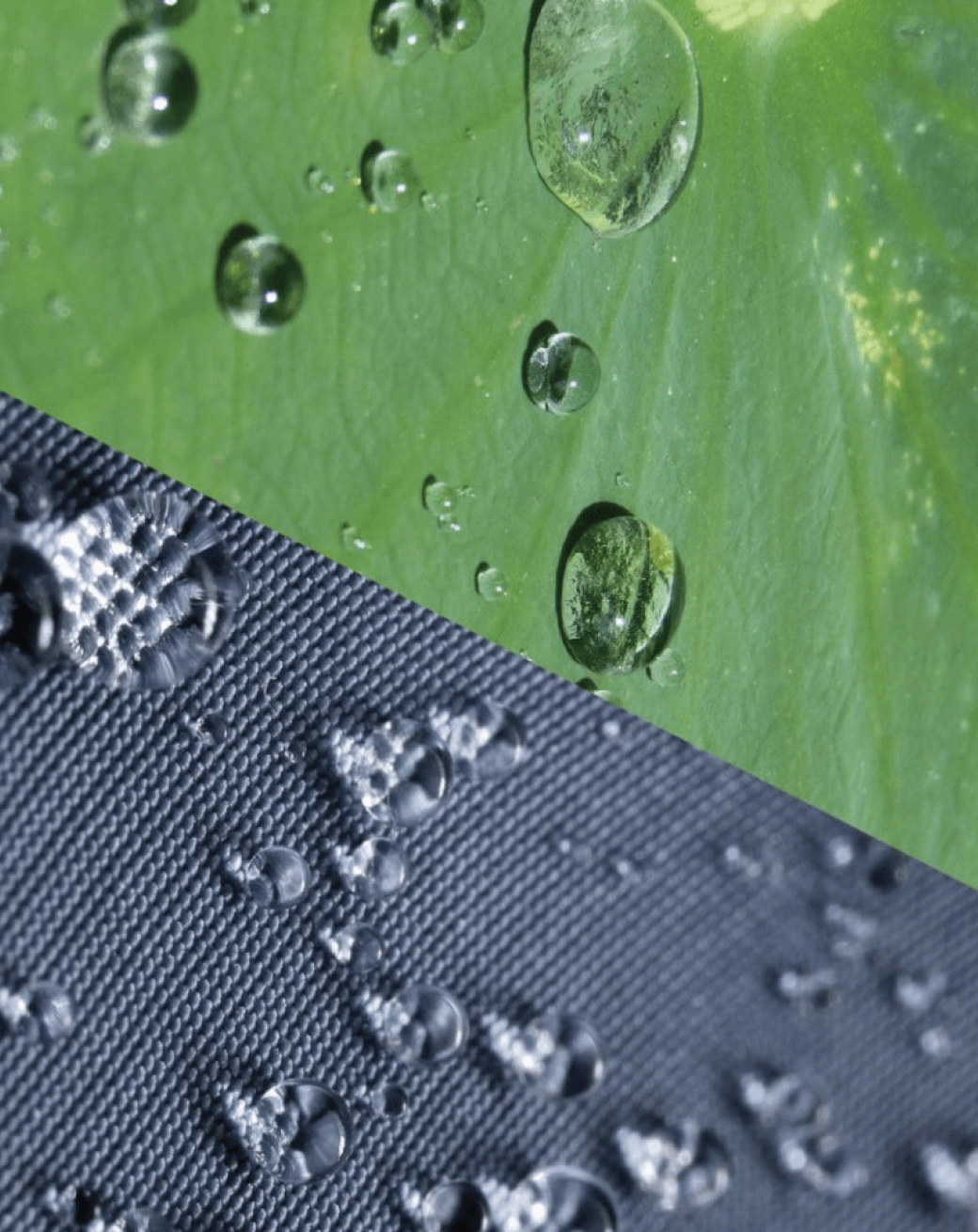
A portal to the wisdom nature holds
“When we Ask Nature, first we quiet our human cleverness. Then we ask, and then we listen. The answer is the echo that bounces off of the land herself. With the solution in hand, we always end the circle by saying thank you.” – Janine Benyus T...
Click to Continue
WE TOO DISAPPEAR
We need to learn that no matter how intelligent humans are, if planet Earth and its resources disappear, we too disappear....
Click to Continue